Understanding the Life Stages of Crocodiles
Embryonic Stage and Incubation
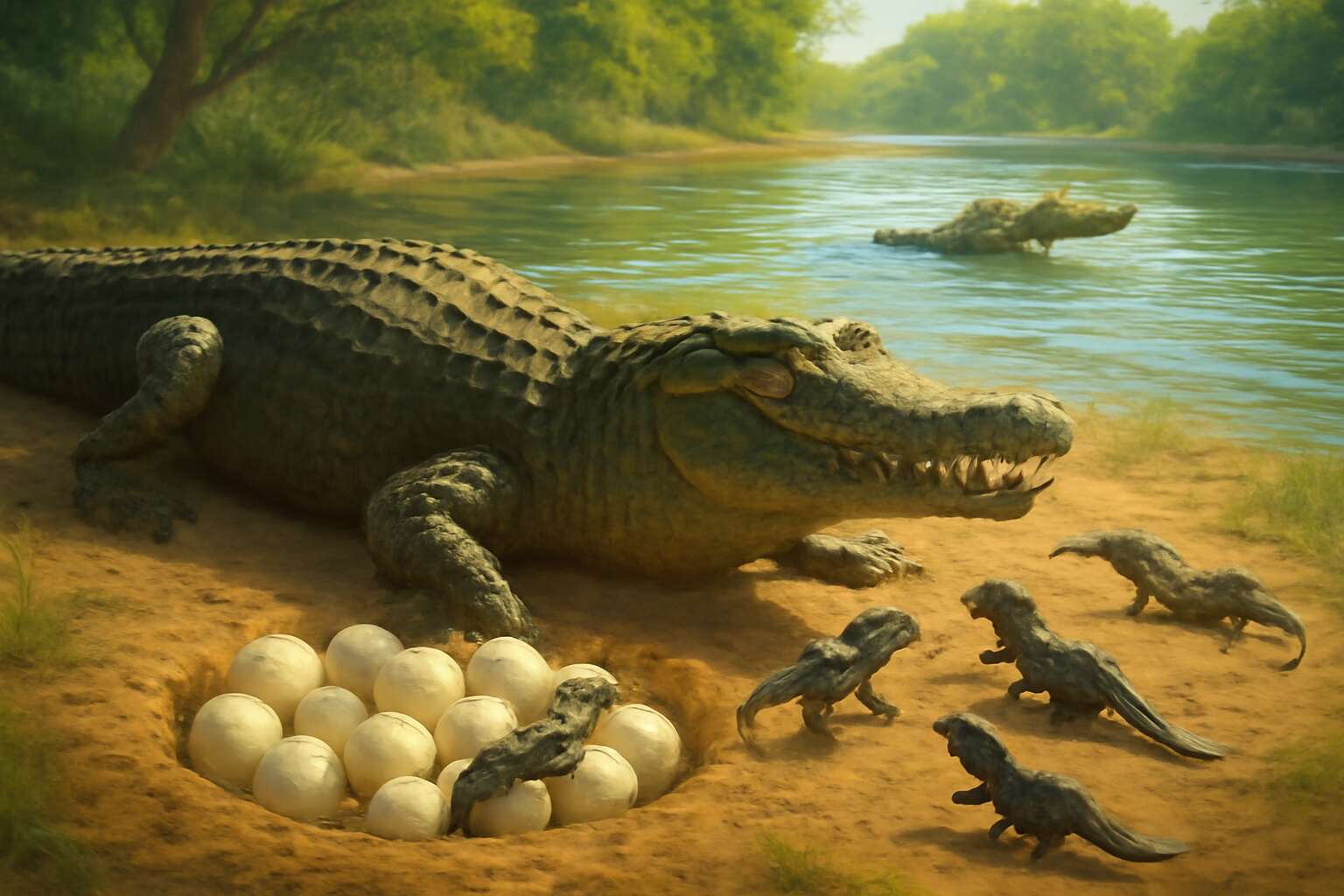
Across South Africa’s wetlands, a crocodile egg sits in a nest for 70 to 90 days before the first snout breaks through. The embryonic stage is a tight, timed gatekeeper, shaping what comes next.
Inside the shell, the embryo forms a beating heart, tiny limbs, and the gaze that will scan the water. Shell permeability balances oxygen in with carbon dioxide out, while the yolk reserves fuel the final push.
Incubation is temperature dependent. Warmer nests tilt sex ratios, and moisture keeps the egg from drying out. This phase links egg to juvenile and anchors the broader life cycle crocodile.
- Temperature influences development rate and sex outcomes
- Humidity and moisture preserve egg viability
- Shell permeability affects gas exchange inside the egg
From embryo to hatchling, the journey compresses years of growth into days and weeks, and it all starts in that guarded egg.
Hatchling Development and Early Growth
From the reed-fringed banks of South Africa’s wetlands, a hatchling steps into a world of water and shadow. The life cycle crocodile unfurls its next chapter in a heartbeat, as a tiny predator learns the rhythm of a river. A seasoned guide often reminds visitors: “Survival begins with a splash!” and that splash carries the weight of every future hunt and hardship.
Newly minted jaws and a keen hunger drive rapid, shivering growth as they nosedive after small prey, seeking shelter among roots and reeds. Neon-green eyes scan the shallows, detecting movement before the body dares a deeper bite.
Milestones often mark the shift from vulnerability to burgeoning independence:
- First robust foraging and bite-strength gains
- Improved camouflage and early social navigation
- Juvenile travel and territory-shaping movements
Juvenile Survival and Social Behavior
River nurseries along South Africa’s wetlands spin a vivid tale: juvenile crocodiles arrive with a splash and a sliver of luck. What a splash! A sobering statistic floats around: only a fraction survive to adulthood, so every hunt, every hide, and every misstep matters.
Understanding life cycle crocodile dynamics means watching juveniles learn fast from the river’s rhythm. I’ve watched them practice stalking, share quiet basking spots, and test limits with siblings and rivals—without the safety leash of an adult mentor. They’re mostly solitary by nature, yet they circle basking spots together when predators loom.
- Ambush-based foraging and bite timing
- Camouflage and patient, splash-free stalking
- Loose social learning through observation
These micro-choices map the arc from fledgling to formidable predator, shaping river margins and the ecosystem’s heartbeat.
Adult Maturity and Reproductive Milestones
South Africa’s rivers host a patient performer: the life cycle crocodile, maturing slowly and majestically. Adult maturity arrives after years of sun, splash, and river politics, with the breeding season turning the water into a smoky ballroom. Size, health, and habitat tilt the scales of who reproduces first.
Key milestones in this act include:
- Breeding readiness based on size and age.
- Courtship rituals: tail drumming, vocalizations, and display.
- Nest construction on riverbanks and egg-laying in warm spots.
- Maternal care and the timeline to independent juveniles.
These markers sculpt riverscapes and the predator–prey balance.
Reproduction, Incubation, and Nesting Habits in Crocodiles
Mating Behavior and Nest Construction
Across Africa’s winding rivers, the life cycle crocodile unfolds as a patient, glittering ritual. In the heat of courtship, every hiss and tilt of head becomes a note in a fierce but intimate score—a reminder that reproduction is both art and survival.
Mating behavior centers on acoustic signaling and territorial displays. A confident male roars from the banks while the female evaluates nesting sites with careful, almost ceremonial, vigilance. I have stood on the bank and heard the roar!
Nest construction is a quiet miracle: mounded nests built from mud, leaves, and reeds near water’s edge; incubation lasts roughly 70 to 90 days, with temperature guiding the sex of hatchlings.
- Near water
- Camouflage vegetation
Beneath South Africa’s skies, nesting habits reveal the crocodile’s patient optimism—mother guardianship, predictable cycles, and a slow tempo that yields the next generation. This is all part of the life cycle crocodile.
Egg Laying and Incubation Temperatures
In the life cycle crocodile across South Africa’s rivers, reproduction unfolds with patient intensity. A typical clutch can number in the dozens, and the female selects a sun-warmed riverside site to cradle her eggs. The moment feels ceremonial—a vow that life will return to the water’s edge, season after season.
Incubation follows a quiet countdown. Eggs mature over roughly 70 to 90 days, and nest temperature nudges hatchling sex. Warmer nests often yield more males, cooler ones more females, while shifting weather can tilt outcomes. When the hatchlings finally enter the world, the river seems to exhale in slow awe.
- Proximity to water for an easy exit once nests hatch
- Sun exposure to regulate warmth and timing
- Hidden vegetation that offers camouflage during the vulnerable early days
Hatching and Early Care: From Egg to Hatchling
In the life cycle crocodile across South Africa’s rivers, reproduction unfolds as a patient, almost ceremonial duet between river rhythms and biology. The female selects refuge-sites along sun-warmed banks, where eggs are tucked into a soft cradle of soil and vegetation—a quiet vow that life will return to the water’s edge.
Incubation becomes a discreet countdown, shaped by nest warmth and weather. When the shell yields, hatchlings break free with urgent chirps, and the river seems to lean closer, eager to meet new arrivals.
Nesting habits, too, reveal crocodiles as riverine tacticians. Close to water to allow a swift exit, sun to regulate warmth, and hidden vegetation for camouflage—these are the quiet choices that shape early life.
- Proximity to water for an easy exit when danger nears
- Sun exposure to regulate warmth and hatch timing
- Hidden vegetation that offers camouflage during vulnerable days
Sex Determination and Growth Milestones
Across South Africa’s rivers, the life cycle crocodile unfolds as a measured dance of reproduction, incubation, and nesting habits. The female surveys sun-warmed banks and soft soils, tucking eggs into a quiet cradle that promises return to the water’s edge.
Inside the nest, sex determination follows a thermal script— nest warmth acts like a hidden clock shaping hatchling outcomes. Incubation tempo and river microclimate set the pace for emergence and early growth milestones, guiding the young toward a riverine adulthood.
Key factors shaping this phase include:
- Nest microclimate and shelter availability influence survival odds
- Thermal cues steer sex outcomes and early development
- Early growth milestones set the pace for riverine life
This interplay maps the life cycle crocodile from cradle to edge-dwelling adult across South Africa’s waterways.
Crocodile Habitat and Environmental Influences on the Lifecycle
Habitat Range and Preferred Wetlands
South Africa’s braided rivers, estuaries, and wetlands host a creature whose life unfolds with the seasons—the life cycle crocodile. Floods push into reed-fringed margins, expanding hunting grounds and stirring nurseries; one study notes nest survival can double during wet years. From KwaZulu-Natal to the Limpopo basin, wetlands become the arteries of a seasonal lifework!
Environmental influences on lifecycle progression hinge on water depth, salinity, and vegetation. They favor wetlands with stealthy ambush points, reliable prey, and shelter from heat. When floods surge, crocs drift along floodplains; as waters recede, they retreat to oxbow lakes and permanent pools where youth steadily learn the currents.
- Seasonal floodplains and river mouths
- Estuarine and brackish wetlands connected to tidal flows
- Permanent pools and free-flowing rivers with ample prey
These habitat mosaics shape the broader journey of the species across South Africa’s landscapes.
Seasonal Changes and Feeding Patterns
South Africa’s wetlands cradle the life cycle crocodile, a predator whose tempo follows the land’s water clock. Floods press into reed-lined margins, widening hunting grounds and waking nurseries as moisture surges. When prey becomes abundant, growth and social interactions take on a nocturnal, suspenseful rhythm.
Environmental influences on lifecycle progression hinge on water depth, salinity, and vegetation. They favor stealthy ambush points, reliable prey, and shade from heat within sprawling reeds and backwaters.
- Shallow floodplains with dense vegetation where ambushes are concealed
- Estuaries and brackish pockets connected to tidal flows
- Permanent pools and slow rivers that sustain year-round prey
Seasonal changes modulate feeding patterns: floods drive crossings and opportunistic hunts, while receding waters force crocs to adjust ambush tactics for fish, crustaceans, and water birds as the ecosystem reshuffles.
Impact of Temperature and Climate on Development
South Africa’s wetlands keep time with the life cycle crocodile, a hunter whose tempo rises and falls with water and shade. “Water is the cradle and clock,” says a field naturalist, and the verdict rings true across reedbeds and backwaters. Habitat depth, flow, and seasonal inundation carve the developmental path, while heat and drought redraw the maps of hunting grounds and shelter.
As climate shifts tighten the margins, the creature adapts by shifting activity windows and moving between pools. Key levers include temperature gradients, salinity pockets, and dense vegetation that provides both ambush points and thermal refuges.
- Temperature-driven activity windows
- Flood pulses and prey pulses
- Shade, basking sites, and microhabitats
All these threads weave resilience into South Africa’s dynamic wetlands.
Conservation Status and Threats Across Life Stages
South Africa’s wetlands keep time with the water, and the life cycle crocodile is the drumbeat of that tempo. Biologists note that in dry years early life-stage mortality can hover around 50%, a stark reminder that floods are both nursery and crucible in a single glistening moment.
Habitat depth, flow, and the maze of riverbed channels sculpt growth, while shade pockets and thermal refuges modulate activity and predation risk across stages. Water quality and seasonal pulses redraw the landscapes where the life cycle crocodile finds shelter.
- Hydrological connectivity sustains nursery habitats.
- Pollution and sedimentation erase spawning and refuges.
- Prey shifts and invasives alter energy budgets.
- Human-wildlife conflict and protection shape survival.
Across life stages, conservation status hinges on resilient wetlands, vigilant water governance, and public regard for a keystone predator that squares our rivers with time—this sentinel remains a true barometer of ecosystem health.
Survival Strategies and Adaptations Across the Lifecycle
Predator Avoidance and Protective Camouflage
In South Africa’s river margins, the life cycle crocodile thrives by staying still until prey nears, riding heat and shadow! Survival strategies shift with the seasons, turning its textured body into natural camouflage.
Protective camouflage blends sand, reeds, and water reflections to conceal ambush opportunities while minimizing detection. Predator avoidance includes quiet dawn rests, sudden dives, and choosing secluded coves away from threats and crowds.
- Low-profile coloration blends with wetlands and reeds
- Ambush-ready position from submerged edges
- Rapid tail propulsion for sudden thrusts
- Seasonal basking minimizes exposure during heat
Diet Shifts and Nutritional Needs Over Time
Survival hinges on change. Across the life cycle crocodile, growth reshapes hunger, stroke, and strategy. Small hatchlings lean on speed and nimble jaws for fish and invertebrates, while juveniles stretch toward amphibians and crabs to fuel rapid gains. As bodies bulk, bigger prey becomes essential—masses near river edges, waterfowl, and even small mammals—driving a shift from quick ambushes to calculated, powerful lunges. The river teaches restraint, patience, and appetite in balance.
A quick look at dietary arc highlights the shifts:
- Early life: small fish and invertebrates
- Juvenile: frogs and crustaceans
- Adult: larger mammals and waterbirds
Each stage ensures energy for growth, territory, and survival in South Africa’s rivers.
Behavioral Adaptations for Extreme Temperatures
Heat writes the day in South Africa’s river basins; a crocodile answers with patience and cunning. I’ve watched them glide into shade, stretch limbs along sun-warmed banks, and slip beneath the surface to ride cooler currents. This is the essence of the life cycle crocodile, where survival hinges on reading the thermometer of the water and air.
- Thermal regulation through basking, shade retreats, and water cooling.
- Burrowing and mud retreats to escape heat or cold snaps.
- Nocturnal activity during peak heat or cold spells, preserving energy.
Across the lifecycle, extreme temperatures sculpt timing, appetite, and everyday decisions as the river keeps score.
Human-Wildlife Interactions and Lifecycle Impacts
Across South Africa’s river basins, the life cycle crocodile survives by timing every breath and bite. From sun-warmed banks to shadowy depths, its survival playbook hinges on flexibility—read the water’s mood, ride the current, and choose life-sustaining heat or shade with surgical patience.
Human-wildlife interactions ripple through every stage, from nesting along river edges to riverine tours that educate without intimidation. When communities monitor nesting sites, reduce gear hazards, and keep banks tidy, the life cycle crocodile thrives alongside people.
- River health supports steady prey and habitat across life stages
- Buffer zones and community monitors lessen conflicts
- Responsible ecotourism fosters appreciation without disturbance
Climate variability and water management ripple through the lifecycle, nudging nesting timing, prey access, and growth rates. Thoughtful river stewardship turns potential conflicts into cooperative conservation—a win for the life cycle crocodile and the people who share the same waterways.
Conservation Efforts and Lifecycle Research
Survival in the riverine theatre hinges on timing, patience, and a stubborn calm. The life cycle crocodile reads the water like a long sentence, letting heat, shade, and current dictate each breath. Survival strategies hinge on flexibility: protecting critical pockets of habitat, sustaining prey access, and aligning human activity with the river’s moods. It is a philosophy of place—a patient predator, a vigilant partner to communities, a reminder that balance is earned, not demanded.
Conservation efforts and lifecycle research translate knowledge into action. Field teams map habitat corridors, support long-term monitoring programs, and collaborate with local communities to foster stewardship.
- Habitat connectivity studies and river corridor protections
- Non-invasive tracking and lifecycle research collaborations
- Community science and local water-quality monitoring
Together, these measures keep the life cycle crocodile in step with a changing climate, turning potential conflicts into cooperative conservation.

0 Comments