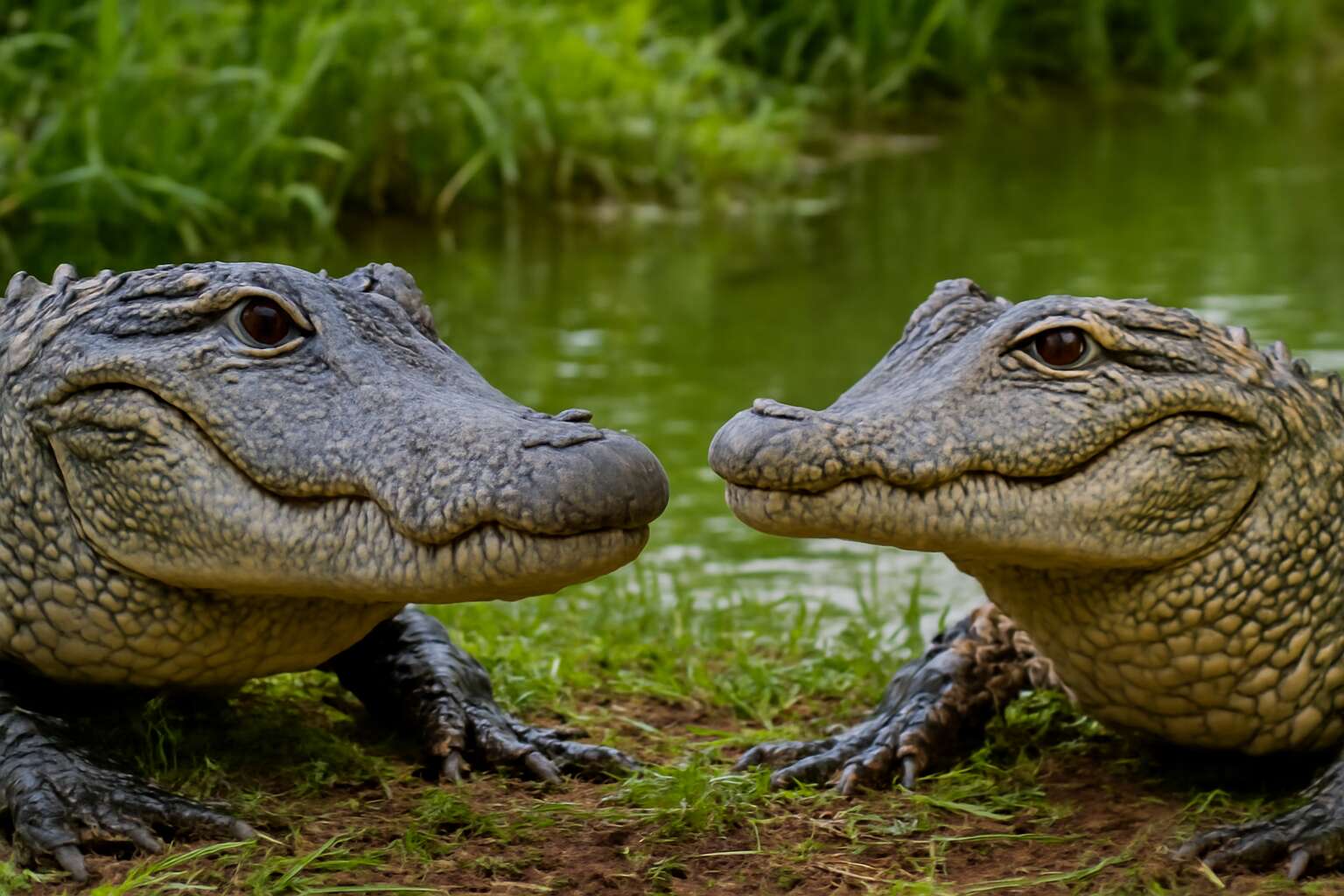
Alligator vs Crocodile: Comprehensive Comparison Outline
Taxonomy and Species Overview
Across Africa’s rivers and wetlands, crocodilians have persisted for 200 million years. The alligator and crocodile difference isn’t trivia; it reveals habitat clues and safety realities in South Africa’s diverse waterways, shaping what you notice on a safari and how locals talk about wildlife with candor.
- Taxonomic families: Alligatoridae vs Crocodylidae.
- Snout and teeth: broad U-shaped snout vs pointed snout; teeth align differently when the mouth is closed.
- Habitat: freshwater preference for alligators; crocodiles tolerate brackish water.
In taxonomy and species overview, Crocodylus niloticus stands for the Nile crocodile in Crocodylidae, while American alligator Alligator mississippiensis anchors Alligatoridae in other regions. South African habitats host a spectrum of crocodilians, illustrating how these forms live in ecosystems rather than textbooks.
Morphology and Distinguishing Physical Traits
The alligator and crocodile difference is written in a river’s handwriting—one silhouette wears a broad U-shaped snout, the other a slender, pointed jaw. On a South African safari, that single clue nudges you toward noticing habitat and behavior, not just a name.
- Snout shape: broad U-shaped for the alligator vs narrow, pointed for the crocodile.
- Teeth alignment when the mouth is closed: alligators keep teeth tucked within the jaws; crocodiles’ teeth interlock and may show along the jawline.
- Habitat nuance: alligators prefer freshwater; crocodiles tolerate brackish water and estuarine environments.
- Color and texture cues can hint at lineage, with skin patterns and scutes offering additional, natural fingerprints in wetlands.
In South Africa, Nile crocodiles (Crocodylus niloticus) dominate many waterways, shaping safety cues and wildlife dialogue. This is the living map of the alligator and crocodile difference, not a classroom chart.
Behavioral Differences and Temperament
South Africa’s rivers keep secrets, and the alligator and crocodile difference is one of them. In the hush between reeds, behavior speaks louder than morphology. A Nile crocodile often projects a patient, ambush-ready gait, while an alligator tends to retreat when pressed. “The water speaks in teeth!”—a veteran guide likes to say, and the truth rings: temperament shapes encounters as surely as any scale. This is the alligator and crocodile difference in action—habits that shape safety and storytelling alike.
- Ambush tactics versus retreat when danger looms
- Territorial displays and vocalizations
- Responses to boat wakes and human presence
Understanding these temperaments helps safari guests and researchers read the river as a living map; the alligator and crocodile difference remains a safety lens for visitors and conservationists alike.
Diet, Habitat, and Conservation Status
In Africa’s river rooms, a creature can live 70-100 years—an epic river diary. The alligator and crocodile difference shows up most clearly in how they eat, where they live, and their conservation status.
Diet is the first clue. Alligators lean toward freshwater fare—fish, amphibians, and small mammals—while crocodiles roam both fresh and brackish waters, swallowing bigger prey when the river offers.
- Diet breadth: Alligators focus on fish and amphibians; crocodiles eat a wider menu, including birds.
- Habitat range: Alligators prefer freshwater; crocodiles tolerate brackish zones and coastlines.
- Conservation status: Crocodilians face regional threats; alligators show pockets of recovery.
Habitat: Alligators prefer quiet, freshwater habitats; crocodiles tolerate brackish waters and hotter climates along river mouths and lagoons.
Conservation status varies; some crocodiles are threatened, while alligators recover in certain regions—proof that protecting wetlands keeps the river’s stories alive. For South African safari-goers and researchers, these distinctions matter.

0 Comments