Crocodile overview and quick facts
Definition and key physical traits of crocodiles
Across South Africa’s rivers and wetlands, the crocodile animal commands respect with ancient poise. This apex predator blends patient ambush with astonishing strength, shaping ecosystems while making few hurry more than necessary. A quiet killer that can stay submerged for hours, it merges folklore with science in one memorable breath. Enduring roughly 200 million years, it remains one of nature’s most enduring ambassadors!
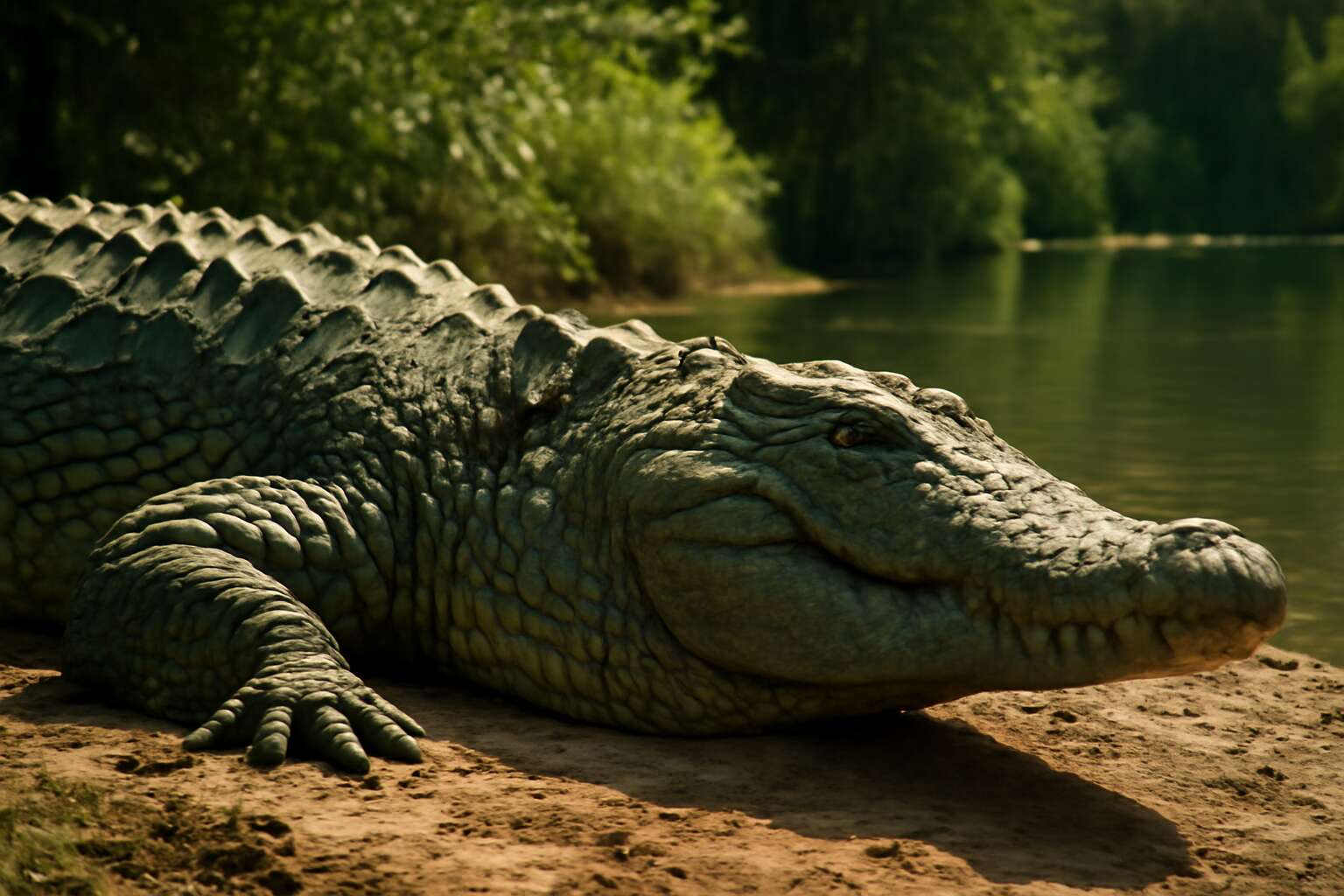
A crocodile is a large, semi-aquatic reptile defined by a long snout, sharp teeth, and a patient, predatory stance. Its tough scales—scutes—form natural armor; eyes and nostrils sit high on the skull for surface watching. A powerful tail delivers bursts of speed in water and on land.
- Impressive bite power and sharp, interlocking teeth
- Rugged scutes form armored skin
- Eyes and nostrils perched high for stealthy surface sighting
- Powerful tail for swift underwater propulsion
Major species and global distribution
Across South Africa’s rivers, the crocodile animal waits with ancient patience—an apex predator that can stay submerged for hours and strike with brutal, precise force. A living bridge between folklore and science, it has endured roughly 200 million years, shaping ecosystems while keeping even the boldest creatures wary!
Major species and global distribution define its reach. The Nile crocodile (Crocodylus niloticus) roams Sub-Saharan Africa; the saltwater crocodile (Crocodylus porosus) patrols Indo-Pacific estuaries; the American crocodile (Crocodylus acutus) inhabits tropical Americas. Within Africa, the freshwater crocodile (Crocodylus johnstoni) and the dwarf crocodile (Osteolaemus tetraspis) occupy rivers from rainforest belts to savanna edges.
- Nile crocodile (Crocodylus niloticus) — Sub-Saharan Africa
- Saltwater crocodile (Crocodylus porosus) — Indo-Pacific estuaries
- American crocodile (Crocodylus acutus) — tropical Americas
- Freshwater crocodile (Crocodylus johnstoni) — northern Australia
- Dwarf crocodile (Osteolaemus tetraspis) — central Africa
Size range, lifespan, and growth patterns
Across South Africa’s rivers and wetlands, the crocodile animal moves with ancient patience, an apex hunter that can stay submerged for up to two hours, surfacing only for a precise, brutal strike. It moves through water as if through time itself—compact, armored, and astonishingly adaptive. Size and pace shift with the seasons, yet its role as a keystone predator remains constant, weaving ecosystems and legends alike.
Quick facts: Size range, lifespan, and growth patterns in the wild illuminate its enduring presence.
- Size range: adults typically 2–5 meters; giants exceed 5 meters.
- Lifespan: 50–70 years in the wild.
- Growth: rapid early growth, then slower as they mature.
Adaptive features: senses, skin, and locomotion
Across South Africa’s lakes and tidal inlets, the crocodile animal moves with an ancient patience that belies its volcanic strike. It reads water like a map, surfacing only to claim a precise, brutal moment of truth. Its senses thread the margins between shadow and ripple, guiding a body clad in armored scales through a world that honors both cunning and endurance. Presence like this weaves ecosystems together, a living relic of time’s slow sculpting and nature’s stern mercy.
- Senses: Eyes and nostrils at the waterline, a nictitating membrane guarding vision underwater.
- Skin: Dermal armor and osteoderms provide protection and durability across habitats.
- Locomotion: A muscular tail powers swift propulsion in water; limbs stabilize on land.
Elegant and savage in equal measure, this apex survivor remains a masterclass in adaptation and endurance.
Habitats and geographic distribution
Freshwater, brackish, and saltwater environments
In the cradle of South Africa’s rivers and estuaries, the crocodile animal glides between three watery realms, ancient as time itself. Their lineage traces back roughly 200 million years, a living testament to patience.
Freshwater, brackish, and saltwater environments define their range.
- Freshwater rivers, lakes, and floodplains where basking sites line the banks
- Brackish estuaries, lagoons, and deltas where tidal rhythms mingle with river flow
- Saltwater coastal bays, mangrove creeks, and offshore lagoons hosting seasonal migrations
In South Africa, they thrive in guarded river systems and coastal wetlands, from KwaZulu-Natal’s estuaries to the Limpopo basin, weaving a timeless survival story.
Global hotspots and range maps
Global hotspots for the crocodile animal stretch from African wetlands to Pacific mangroves. A single map reveals patterns shaped by climate, rivers, and coastlines. Range maps capture the crocodile animal reach, from tropical waterways to subtropical coasts!
Key hotspots include:
- Sub-Saharan Africa and the Nile basin
- Indo-Pacific coastlines and northern Australia
- Caribbean, Central and South America
- Southeastern United States
Range maps are dynamic, reflecting seasonal shifts and human pressures. They guide conservation, research, and responsible tourism in communities across southern Africa and beyond.
Seasonality, nesting sites, and migratory behavior
Across floodplains and tidal estuaries, the crocodile animal keeps time with the river’s rising pulse. In nurseries of sun-warmed nests, incubation lasts roughly 70 to 90 days, a quiet countdown that decides the sentinels of the swamp’s dawn.
Nesting sites rise from river banks and mangrove eddies, where warmth fuels eggs and shelter from predators. Nesting sites share these hallmarks:
- mounds built by females from mud, leaves, and twigs near floodplains
- sun-warmed sand that incubates eggs, with temperatures steering the sex ratio
- nests positioned to endure rising floods while guarding the unborn young
- proximity to reliable water and prey, easing early life survival during arid spells
Seasonal hydrology guides movements for the crocodile animal; some populations ride the monsoon upriver, others patrol vast coastlines, and in Southern Africa, pockets along the Limpopo and eastern coastlines echo the flood-driven wanderings of this ancient sentinel.
Threats to habitats and conservation status by region
Across Southern Africa, the crocodile animal commands a corner of the watershed that outlives trend lines—some Nile crocodiles can live up to 70 years. It thrives in a mosaic of habitats—from quiet river bends and expansive floodplains to tidal estuaries and sun-warmed mangrove creeks. Its geographic footprint runs along the eastern seaboard, through the Limpopo and Olifants basins, into KwaZulu-Natal wetlands and Mozambique’s deltas, with resilient populations in Botswana’s floodplain corners. The species favors warm, shallow water with plentiful prey, where basking ledges become stages for daily ambushes and social signals.
Threats to habitats and conservation status by region vary, yet the pattern is clear:
- South Africa: protected species; river systems under pressure from damming and pollution, with wetland health a conservation priority.
- Mozambique and eastern Africa: estuary degradation from sedimentation and fishing; cross-border protection efforts in place.
- Botswana and Namibia: drought stress and water rights pressures; protected areas sustain key habitats.
Diet, hunting behavior, and feeding
Life stage-specific diets and prey selection
In South Africa’s rivers and wetlands, the crocodile animal sits at the top of the food chain with patient, prehistoric poise. A single strike can rewrite a day’s tally, and a jaw clamp can end a chase in a heartbeat. It’s efficient, unflinching, and astonishingly adaptable.
Diet and hunting hinge on water, silence, and speed. The hunter lies submerged with only eyes and snout showing, then lunges in a blink, using a whip-like tail to close distance. Vibration, heat, and scent guide it toward warm, fluttering life along the bank.
Life stage-specific diets and prey selection shift as the animal grows. Juveniles focus on small offerings—crustaceans, insects, and tiny fish—and gradually take larger quarry as their jaws strengthen. Adults harvest bigger prey with confidence, from wading birds to larger fish and small mammals.
- Fish (various species common in SA rivers)
- Amphibians and crustaceans
- Water birds and small mammals
Ambush tactics, hunting strategies, and energy efficiency
Across South Africa’s rivers and wetlands, the crocodile animal moves with slow gravity and lethal intent. Its diet relies on opportunistic moments, delivering bursts of precision that waste little energy. A single strike can reset a chase and secure a meal.
Ambush tactics unfold with quiet discipline. The hunter lies submerged, eyes and snout showing, heat and vibration steering its aim. When the instant snaps, a whip-fast lunge narrows the gap.
- Stealthy approach with minimal water disturbance
- Precise jaw clamp timed to milliseconds
- Tail propulsion to seal distance
Hunting strategies favor energy efficiency: waiting for the right moment, then striking with minimal movement. The animal operates like a patient engine, converting wait-time into decisive outcomes and leaving little energy on the table.
Feeding frequency, digestion, and nutrient requirements
Across South Africa’s rivers and wetlands, the crocodile animal belongs to a patient universe where stillness is a weapon and hunger is a constant. Diet is opportunistic: fish and wading birds are staples, while occasional mammals or young antelope may become targets when the moment aligns. A single, well-timed strike can turn a chilly afternoon into a full belly, and the creature’s slow metabolism makes that meal stretch for days—often weeks between meals in the wild!
Feeding frequency and digestion follow a steady rhythm. The predator often goes days or weeks between meals, especially after a large catch. When meals arrive, digestion is efficient, aided by a highly acidic stomach, with protein fueling muscle and calcium supporting bone growth.
- Feeding frequency varies with age, season, and water temperature
- Digestive efficiency peaks after warm-water meals and slows in cold snaps
- Nutrient balance emphasizes protein with minerals for growth and recovery
Impact of prey availability on crocodile behavior
Across South Africa’s rivers and wetlands, the crocodile animal moves with patient purpose, a master of stillness and strike. Diet is opportunistic: fish and wading birds anchor the menu, while mammals or young antelope join when a moment aligns. A single, well-timed strike can turn a dull afternoon into a full belly, and slow metabolism stretches that meal for days.
- Ambush at sun-warmed banks and reed beds maximizes success
- Prey movement and water temperature gate hunting windows
- Available prey shapes territory use and daily patrols
Feeding impact follows prey availability. Abundance tightens the predator’s focus on key watercourses, shortening interludes between meals. In lean periods, they expand range and widen their waiting game, letting energy budgets stretch while silence and patience build the next successful strike.
Reproduction, life cycle, and care
Breeding season cues and courtship rituals
Clutch sizes for the crocodile animal typically range from 40 to 60 eggs in a single nest—proof that romance here doubles as a survival strategy. Breeding follows warm, rising water after the dry season, when prey is plentiful and nests are sun-warmed. Males trumpet bold arias, and females scope nest sites with measured practicality.
Key breeding-season cues include:
- Rising temperatures and river level changes
- Vocal displays—booming bellows and jaw snaps
- Strategic nest site selection near water and sun-warmed banks
- Posturing and minor skirmishes among courting males
Incubation lasts about 70–90 days. The mother guards the nest fiercely and may carry hatchlings to the water. Juveniles stay near the nest for weeks, learning the ropes before drifting toward independent life.
Courtship rituals blend spectacle with function: throat-bellows, head lifts, tail flicks, and nest proximity all signal readiness and compatibility. A successful pairing yields synchronized hatchings and a confident step toward adulthood.
Nesting, egg incubation, and hatchling survival
Reproduction in the crocodile animal unfolds like a tiny fortress built from heat and patience. Nesting sites are chosen with a craftsman’s care—sun-warmed banks beside quiet backwaters offer warmth and concealment. A single, substantial clutch is guarded by a vigilant mother, a ritual that blends nurture with survival strategy. The life cycle tilts on heat, placement, and a stubborn will to endure.
- Nesting behavior and site selection near water and sunlit banks.
- Egg incubation lasting about 70–90 days, shaped by temperature cues.
- Hatchling survival, with maternal escort to the water and early aquatic training.
From the hatchling’s first splash, the riverine apprenticeship begins—stealth, speed, and social restraint—the hallmarks of river life.
Parental care and juvenile development
As a crocodile animal, this ancient rivercraft unfurls a life cycle of heat and patience along South Africa’s rivers. A single clutch becomes a fortress—sun-warmed nests tucked along quiet backwaters cradle life, while a vigilant mother guards the cradle with a blend of nurture and survival cunning!
Incubation unfolds under the sun and soil, guided by temperature cues that sway hatch sex and timing. When the shells crack, the mother escorts the newborns toward water, then stands watch as they begin early aquatic schooling and tentative, measured feasting.
Parental care evolves into juvenile development: the river becomes a classroom where fledgling hunters learn stealth, speed, and social restraint—keys to survival in crowded waterways.
- Nest guarding and vigilance
- Escort to water and safety cues
- Early aquatic training and feeding basics
As daylight folds away, juveniles sharpen senses and muscle, becoming the river’s patient, lethal poetry.
Temperature effects on sex determination
In the crocodile animal world, a nest is a climate clock, and a single degree can decide a hatchling’s fate. Incubation temperature steers sex, with warmer nests biasing toward males and cooler ones toward females, a dynamic capable of reshaping populations across generations in South Africa’s rivers.
From egg to adolescence, the life cycle hinges on subtle cues. Key factors at a glance:
- Temperature thresholds and the pivotal range shaping hatchling sex
- Incubation timing and shell cracking as a synchronized emergence
- Post-hatch movement into the river and early schooling dynamics
As hatchlings mature, care becomes a slow, deliberate apprenticeship—learning stealth, speed, and restraint within the river’s patient choreography. The intricate balance of nest warmth, hatch timing, and aquatic socialization marks this species’ enduring cycle in South Africa’s waterways.
Lifespan and growth milestones
Across South Africa’s sunlit rivers, reproduction in the crocodile animal world unfolds as a patient epic: courtship displays, sun-warmed ovular clutches, and a river’s whisper guiding the next generation. A single clutch can birth dozens of hatchlings, tilting the balance of the floodplain for decades.
From egg-laying to the river’s edge, the life cycle advances in disciplined steps:
- Egg-laying to hatchling emergence, a synchronized start shaped by sun and warmth.
- Juvenile dispersal, learning stealth, speed, and the river’s subtle social cues.
- Adult maturity and territorial presence, where size and patience seal riverine domains.
Lifespan and growth milestones unfold as seasons turn, with hatchlings aging into river-tough juveniles and eventually steadfast adults. In South Africa’s waters, the journey spans decades; each phase reshapes appetite, energy, and territory, turning a youngster into a patient sentinel of the water.
Conservation, threats, and human interaction
Conservation status across species and protected areas
Conservation figures bite with a flourish: roughly 40% of the crocodile animal’s habitat in southern Africa lies within protected reserves, a buffer against habitat loss and erratic floods. This ancient predator is more than a reptile—it’s a living barometer of river health and human land-use choices.
Conservation status across species and protected areas varies. In South Africa, sanctuaries like Kruger National Park and iSimangaliso Wetland Park cradle healthy populations and preserve genetic diversity, while researchers monitor nesting, movement, and prey cycles to keep the crocodile animal thriving.
Threats and human interaction press hard at river edges. When water is scarce, conflicts rise, and illegal harvest persists. Ecotourism can illuminate, but vigilance is essential.
- Habitat loss and water-management changes
- Poaching for skins and traditional medicine
- Pollution and prey depletion
Conservation status across species and protected areas remains fluid, underscoring the need for sustained governance and community partnership.
Key threats: habitat loss, pollution, and poaching
A river’s pulse tells a tale: in southern Africa, about 40% of the crocodile animal’s habitat sits within protected reserves, a buffer against habitat loss and erratic floods.
This apex predator is a living barometer of river health, shaping how communities plan water use and buffer zones. In protected landscapes like Kruger and iSimangaliso, populations endure and genetic diversity remains a shield against unforeseen shifts.
Threats and human interaction press at river edges. When water runs low, conflicts rise, and illegal harvest persists. Ecotourism can illuminate, but vigilance is essential.
- Habitat loss
- Pollution
- Poaching for skins and traditional medicine
Guardianship through governance and community partnership keeps this crocodile animal resilient, a reminder that rivers bear memory as much as meat.
Human-wildlife conflict and mitigation strategies
Rivers are not just water; they’re verdicts on the land. In South Africa, around 40% of the crocodile animal’s habitat sits within protected reserves, a living buffer against habitat loss and erratic floods.
Conflicts rise when streams run low and communities rely on shared water. Mitigation blends governance with local know-how: clear reporting channels, safe viewing guidelines, and community-led monitoring that turns tension into trust.
- Early-warning systems and protected buffer zones
- Non-lethal deterrents, guided access, and waste management
- Eco-friendly tourism models that share profits with residents
Conservation hinges on partnerships among government, landowners, and local stewards, underpinned by science and steady governance. When river health improves, the crocodile animal remains a sentinel of resilience, a reminder that rivers bear memory as much as meat.
What individuals can do to help crocodiles
Across South Africa’s waterways, roughly 40% of the crocodile animal’s habitat sits within protected reserves, a living gauge of river health and human stewardship. The crocodile animal is a patient sovereign, etched by time, whose presence tells a river’s story—quiet, persistent, and capable of turning danger into resilience when waters flow true.
Threats creep as rivers run lean and development presses on the banks. Conservation becomes a tapestry of governance and local knowledge: clear channels for reporting, safe viewing guidelines, and community-led monitoring that convert fear into trust. Early warnings and buffer zones keep the balance, letting this ancient guardian endure. I’ve seen riverbanks regain their spine when stewardship is steady.
Individuals shape outcomes by showing up as informed stewards, and the crocodile animal rewards attention that respects habitat and water quality.
- Preserving habitats and supporting sustainable tourism
- Advancing conservation storytelling and education
- Participating in community river-health initiatives
Successful conservation programs and case studies
In South Africa’s rivers, the crocodile animal sits as a patient sovereign—its wellbeing tethered to river health, with roughly 40% of its habitat protected in reserves. These sanctuaries prove that sound governance and habitat stewardship can grant longevity to a river’s oldest guardian.
Threats creep as water becomes scarce and development encroaches. Habitat fragmentation, pollution, poaching, and shifting prey patterns challenge stability, yet resilient networks of monitoring and buffer zones help keep balance.
- Protected reserves and river-health monitoring networks
- Community-guided eco-tourism and safe-viewing guidelines
- Public reporting channels and rapid-response teams
Human interaction—when communities stay informed and engaged—transforms risk into stewardship. Here are some successful programs and case studies illustrating its enduring story:

0 Comments