Crocodilian bite force: anatomy, measurement, and implications
Anatomy and jaw mechanics
Across crocodile species, one truth stands loud: the bite is a language of power that shapes supper and survival. In South Africa’s rivers and reserves, researchers study crocodile jaw strength to reveal hidden force dynamics.
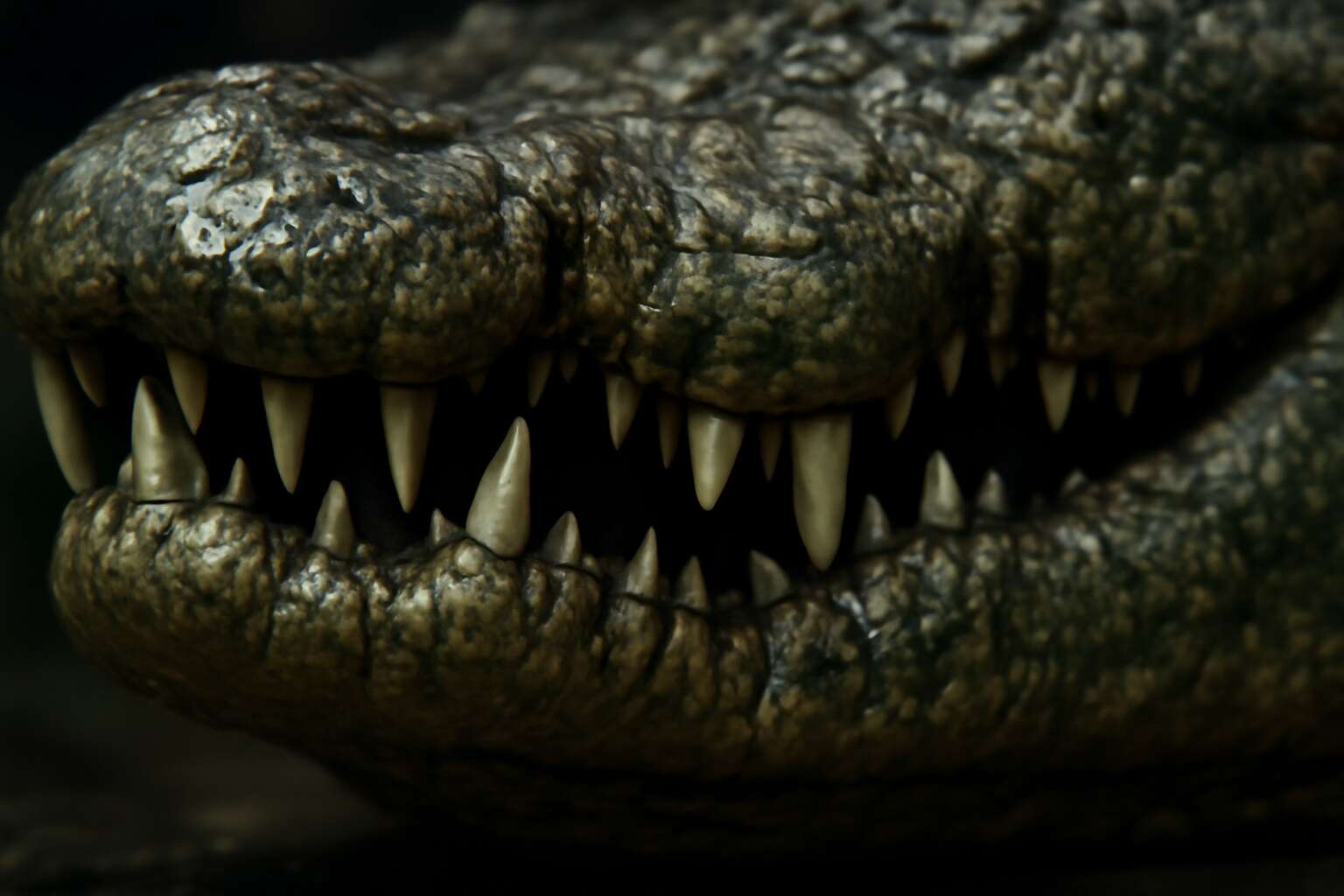
Anatomy for the bite hinges on a muscular orchestra: stout adductor muscles, a robust jaw joint, and a skull built to channel load without shattering. The result is a capable, precise harness of leverage that closes with astonishing efficiency!
Measurement blends science and fieldwork: transducers embedded in bite surfaces, high-speed videography, and comparative trials across species. These data illuminate how bite force scales with size, habitat, and hunting style, and what that means for prey selection and human-wildlife encounters in Africa.
- Adductor muscles generate closing force and control speed
- Jaw hinge and articular surfaces distribute load across the skull
- Dense dentition concentrates force on prey tissue
Measuring bite strength across species
In South Africa’s rivers and reserves, crocodile jaw strength isn’t just a number—it’s a living signal of survival. Bite forces surge into the thousands of PSI, and researchers chase these events with field-ready sensors and moonlit patience, translating raw power into stories about hunting style and ecological impact.
Measurement unfolds across species, revealing how size, skull shape, and feeding tactics sculpt bite power.
- size-related scaling of force
- habitat and prey context
- safety and methodology in the field
The implications ripple through prey selection, feeding ecology, and human-wildlife interfaces across Africa. Understanding these dynamics helps interpret hunting pressure, nutrient flows, and the uneasy balance between conservation and local livelihoods.
Biology, ecology, and behavior
Crocodile jaw strength is a story of strategy as much as sheer force. In life, power follows size, skull shape, and the way a species uses its bite to seize, crush, and wrench prey from the water. That pairing of form and function defines how these predators operate in the wild.
In the field, researchers separate power from myth using bite sensors and sturdy protocols. Measurements hinge on how the jaw muscles pull and how the skull funnels load, revealing a dynamic tale of hunting style, prey handling, and ecological role—not just a number.
- Size and skull architecture set the ceiling for bite power
- Prey type and tactics change how force is delivered
- Ecological context links bite force to energy flow and habitat use
Understanding bite power helps interpret predator–prey interactions, nutrient transfer, and the balance between conservation needs and local livelihoods across South Africa’s rivers and reserves.
Comparative perspectives and applications
Against river glare, the hunt begins with precision. Crocodile jaw strength isn’t a blunt hammer but a finely tuned instrument, measured in thousands of psi, sparking awe across South Africa’s wetlands and researchers.
Inside the skull, force travels along a clever geometry—the gape angle, lever arms, and the way teeth bite into load. The bite becomes a tool of balance, carving paths through prey with surgical intent.
Scientists quantify bite via sensors that read instant loads as the jaws close. Across species and life stages, protocols capture how dynamic loads differ from static strength, revealing patterns in hunting and prey handling.
- Juvenile versus adult bite profiles
- Habitat and prey type influence
- Temporal shifts in feeding behavior
Viewed comparatively, crocodilians across regions—saltwater, Nile, and South African rivers—highlight bite-force diversity and ecological roles. Understanding crocodile jaw strength guides conservation alongside local livelihoods, revealing how predators sculpt riverine food webs.

0 Comments